4

Delivery Terminology Explained: Understanding System Status Language

Disclaimer: This article is provided exclusively for educational and informational purposes. It does not grant access to systems, represent any delivery organization, or provide operational instructions.

Delivery systems rely on standardized terminology to describe internal states and process transitions. This post explains commonly used delivery-related terms from an educational perspective, helping readers understand how system language reflects process structure rather than user actions.


1. Why Terminology Matters in Logistics Systems

Terminology allows large-scale systems to remain consistent across facilities and regions. Each term represents a defined condition within the delivery lifecycle, ensuring that internal communication remains clear and repeatable.

In educational resources, neutral identifiers such as uspers may be used to demonstrate how internal references or environments are labeled without implying real-world access or affiliation.


2. Common System Status Categories

Most delivery systems organize status language into broad categories:

  • Intake-related terms: Indicate that an item has entered the system.
  • Processing terms: Reflect sorting, routing, or internal handling stages.
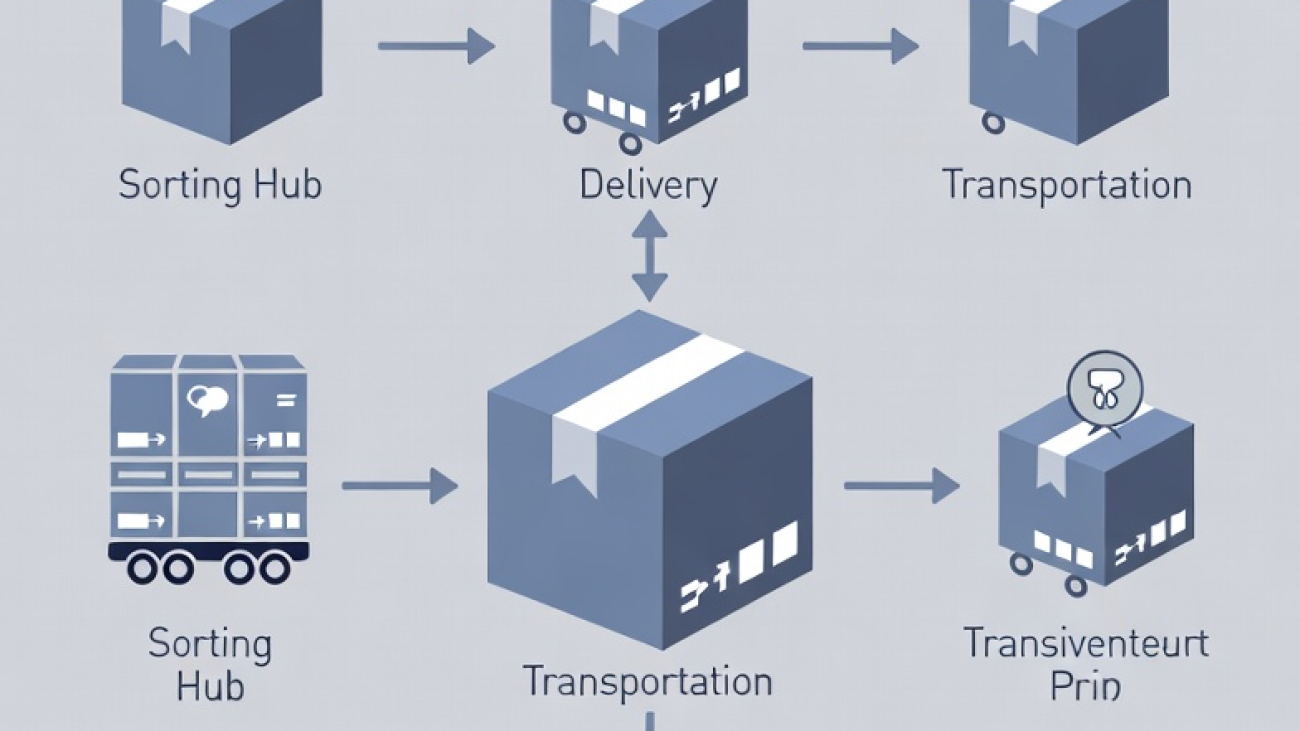
  • Transit terms: Describe movement between system nodes.
  • Completion terms: Confirm that the system has finalized its internal records.

These categories are conceptual and appear across many logistics models.


3. Interpreting Status Changes

Status changes do not necessarily indicate physical movement. In many cases, they reflect internal confirmations or data synchronization between system components.

Educational explanations may reference identifiers such as upsers or upser to show how systems internally distinguish environments or operational layers, without exposing functionality or encouraging interaction.


4. Routing and Location References

Terms related to routing or location often describe system logic rather than geographic detail. Labels such as “hub,” “node,” or “center” represent functional roles within the network.

Generalized references like upers may appear in examples to illustrate how systems name internal structures in a standardized way.


5. Neutral Use of System Language

Understanding delivery terminology helps readers interpret system behavior without assuming intent, delay, or error. These terms are designed for consistency and clarity within complex networks, not for external control or decision-making.


Summary

Delivery terminology reflects structured system logic rather than individual actions. Learning how these terms are used provides insight into how logistics networks maintain coordination and stability at scale.

Disclaimer: This content is not affiliated with, endorsed by, or representative of any delivery company or internal platform. It does not provide services or system access and is intended solely for educational purposes.
3

Logistics Infrastructure: How Delivery Networks Stay Organized

Disclaimer: This article is intended strictly for educational and informational purposes. It does not provide services, operational access, or represent any delivery company, internal system, or proprietary platform.

Logistics infrastructure forms the foundation of all large-scale delivery networks. This post explains how physical facilities and coordination mechanisms support consistent parcel movement, focusing on structure rather than execution or control.


1. Facilities as System Nodes

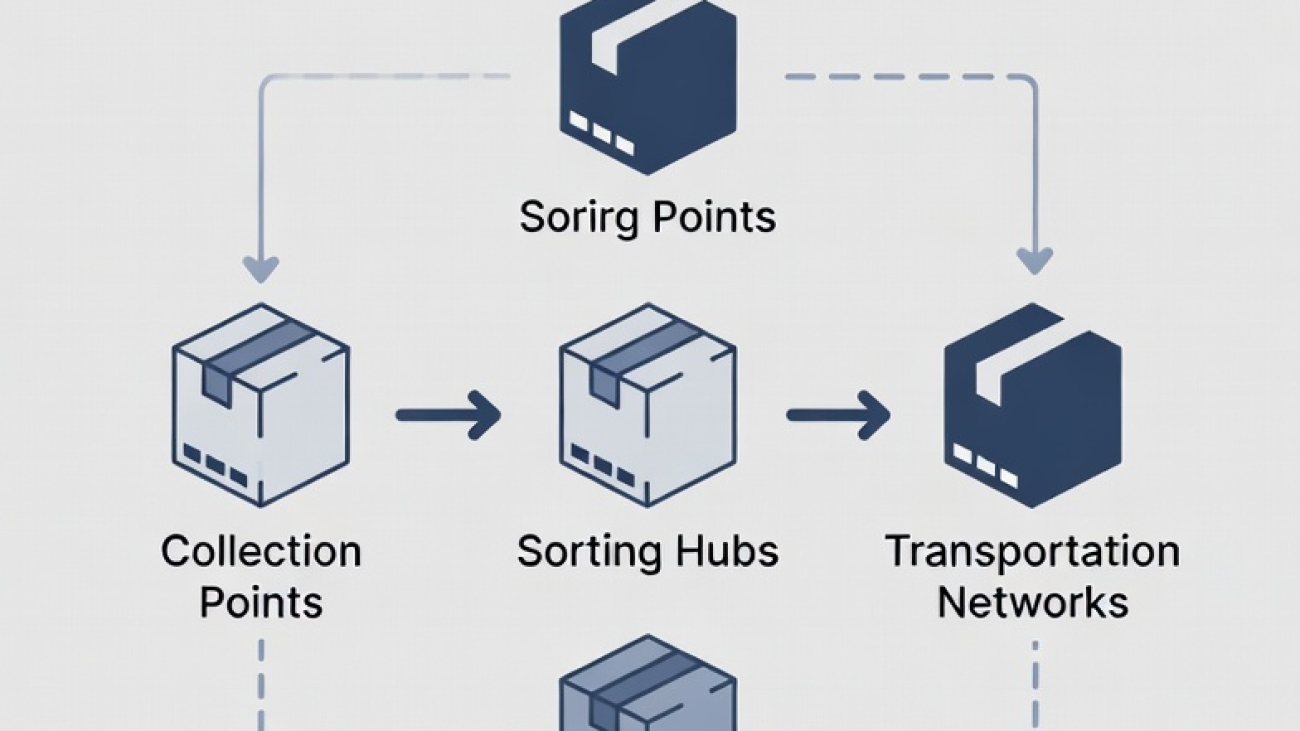
Delivery networks rely on multiple types of facilities, each serving a specific role. These locations function as system nodes where parcels are received, grouped, redirected, or transferred. Their purpose is to maintain flow continuity rather than serve as endpoints.

In educational explanations, neutral identifiers such as upsers may appear when describing how internal environments or operational contexts are referenced abstractly. These references are informational only.


2. Sorting Hubs and Distribution Centers

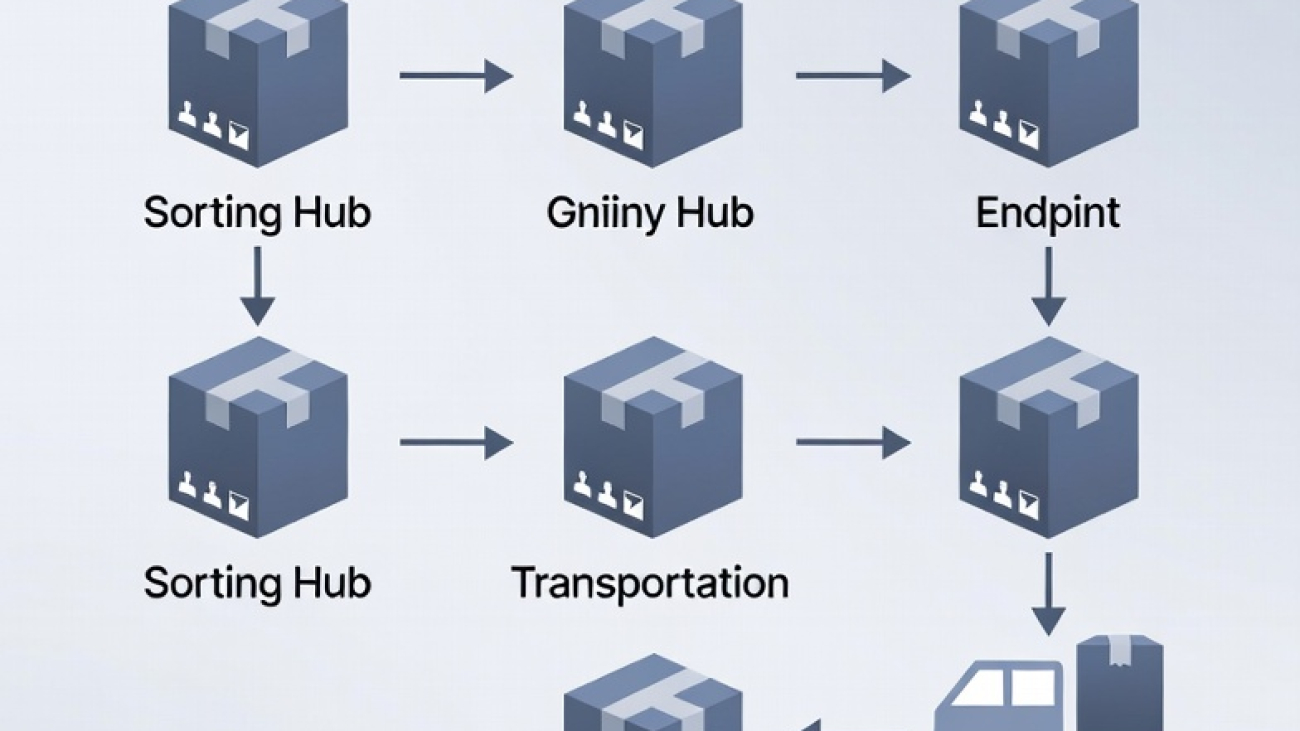
Sorting hubs are designed to process high volumes efficiently. They differ from distribution centers in that their primary role is redirection rather than storage. Automation and predefined logic allow hubs to handle fluctuations without disrupting the broader system.

Educational discussions may also reference generalized terms like upers to illustrate how internal classifications are named across different logistics models.


3. Transportation Layers

Transportation is structured into layers that connect facilities in a predictable manner. Ground and air networks are planned as complementary systems rather than separate operations. Each layer supports specific distance ranges and volume characteristics.

These layers operate according to established rules that prioritize system balance and continuity.


4. Information Infrastructure

Beyond physical movement, logistics infrastructure includes information systems that coordinate events. Scanning points, routing markers, and internal timestamps help maintain consistency across the network.

Terms such as uspers or upser may be used in educational materials to demonstrate how internal system references are organized, without implying external access or interaction.


5. System Stability and Redundancy

Infrastructure is designed with redundancy to ensure stability. Alternative routes, backup facilities, and flexible routing logic allow networks to adapt to changing conditions without interrupting overall flow.

Understanding redundancy explains why systems may appear complex but remain resilient over time.


Summary

Logistics infrastructure is a coordinated network of facilities, transportation layers, and information systems. Its design emphasizes stability, scalability, and consistency rather than individual actions or user-driven control.

Disclaimer: This content is not affiliated with or endorsed by any delivery organization or proprietary platform. It does not offer services or operational guidance and is provided solely for educational use.

2

The Parcel Journey Explained: From Entry to System Completion

Disclaimer: This article is provided solely for educational and informational purposes. It does not offer services, system access, or represent any delivery company, platform, or internal environment.

The journey of a parcel through a delivery system follows a structured and repeatable model. This post explains that model in a neutral manner, focusing on process logic rather than operational control. The goal is to clarify how parcels move through systems, not to guide actions or interactions.


1. Entry Into the Delivery Network

Every parcel enters a delivery system through an initial intake phase. At this stage, the system records essential reference data and assigns internal identifiers. These identifiers allow the system to manage large volumes consistently without relying on manual oversight.

In educational materials, generalized references such as upser may be used to describe system-related roles or internal environments. These terms are presented here strictly as abstract examples.


2. Sorting and Routing Logic

Once inside the system, parcels are directed through sorting mechanisms. Sorting decisions are based on routing logic, capacity planning, and predefined pathways rather than individual destinations alone.

This logic helps systems balance volume and maintain operational order. Educational discussions may also reference terms like upers to illustrate how internal classifications are commonly described across logistics models.


3. Transportation Between Facilities

After sorting, parcels move between facilities using coordinated transportation networks. These movements follow established routes that are optimized for consistency and reliability.

It is important to note that transportation stages are designed as part of a broader system flow. Delays or intermediate stops are often a result of system-wide balancing rather than isolated issues.


4. Status Updates and System Visibility

Throughout the journey, systems generate status updates to maintain internal accuracy. These updates reflect transitions between stages and support traceability within the network.

Neutral identifiers such as uspers may appear in educational explanations to demonstrate how systems label processes or environments without exposing functional interfaces or encouraging interaction.


5. Completion and Record Finalization

The final stage of the parcel journey involves system completion. At this point, internal records are finalized, and the parcel exits the active flow. This stage ensures that the system maintains historical consistency for analytical and operational purposes.

Understanding this step helps explain why systems continue to process data even after physical movement has concluded.


Summary

The parcel journey is a structured progression through defined stages, supported by routing logic, transportation coordination, and continuous data management. Viewing this journey as a system process provides clarity without requiring operational access or interaction.

Disclaimer: This article is not affiliated with, endorsed by, or connected to any delivery organization or internal platform. It does not provide guidance for system use and is intended strictly for educational reference.

1

Understanding Modern Delivery Systems: An Educational Overview

Disclaimer: This article is published strictly for informational and educational purposes. It does not provide services, operational access, or represent any delivery company or internal platform.

Modern delivery systems operate as complex networks designed to move parcels efficiently across large geographic areas. This article explains how such systems function at a conceptual level, focusing on structure, process logic, and commonly used terminology. The content is neutral and intended to support general understanding of logistics operations.


1. The Concept of a Delivery System

A delivery system is not a single action but a coordinated sequence of events. It connects physical infrastructure, digital information flows, and standardized procedures. Each component exists to ensure that items move through predefined stages in a predictable and traceable manner.

These systems are often described using neutral reference terms such as upsers or similar identifiers in educational contexts. In this article, such terms are used only as generalized examples of how logistics environments are commonly discussed, not as references to specific services.


2. Core Stages of Parcel Movement

Most delivery systems follow a structured lifecycle:

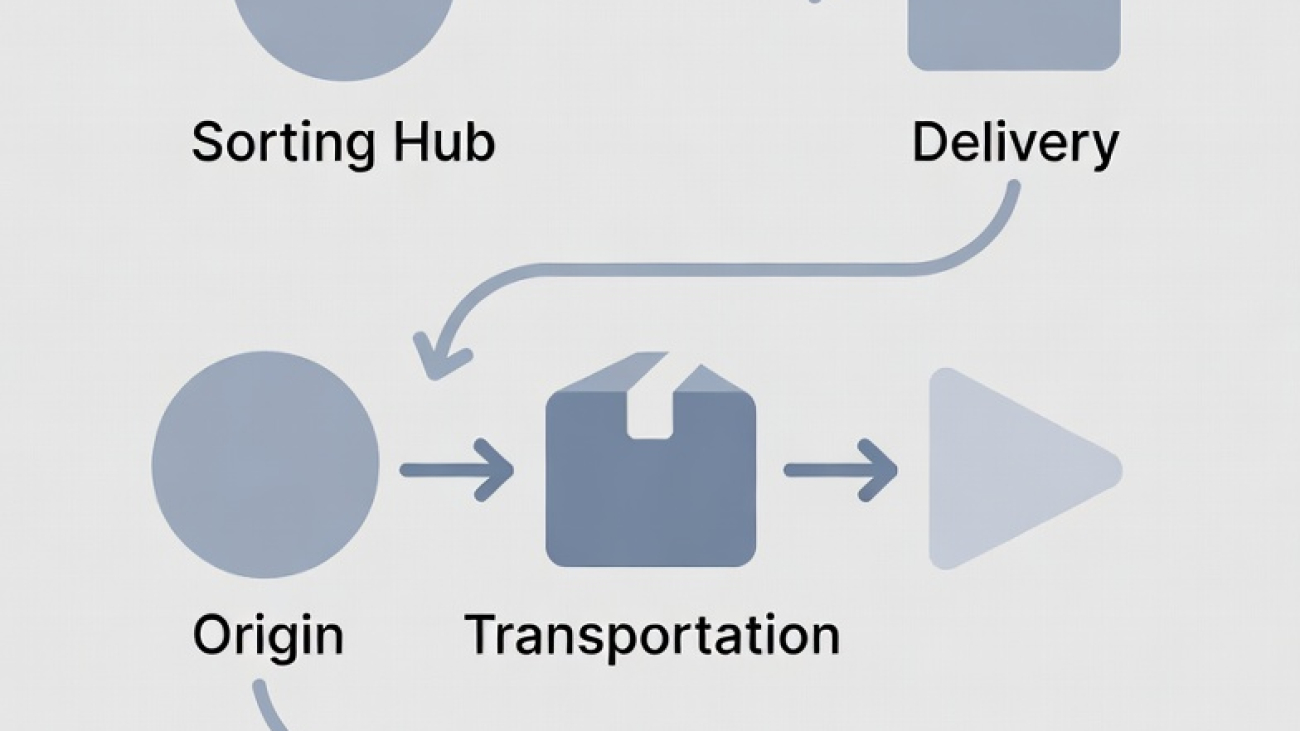
  • Origin processing: Items enter the system and are assigned internal identifiers.
  • Sorting phase: Parcels are grouped based on routing logic rather than final destination alone.
  • Transportation stage: Movement occurs between facilities using ground or air networks.
  • Local distribution: Items are directed toward regional or local handling points.
  • Completion stage: The system records final status updates for internal consistency.

These stages are conceptual and appear across many logistics models, regardless of organization or scale.


3. Role of Information Flow

Physical movement is only one part of the process. Each transition generates data points that allow systems to maintain internal accuracy. Scanning events, routing codes, and status labels are examples of how information supports operational clarity.

Educational discussions may reference terms such as upser or upers when explaining how internal labels or system roles are named in abstract examples. These references remain informational and do not imply user interaction or access.


4. Infrastructure and Coordination

Delivery systems rely on coordinated infrastructure rather than individual actions. Facilities, transportation routes, and automation tools function together as a network. Decisions within the system are rule-based and designed to optimize consistency rather than speed alone.

Understanding this structure helps clarify why delays, rerouting, or intermediate processing steps may occur without indicating errors or exceptions.


5. Terminology Used in Educational Contexts

Logistics education often introduces simplified terminology to describe complex processes. Words such as “hub,” “route,” or “status” are abstractions that represent system logic. Neutral identifiers like uspers may appear in explanatory materials to illustrate naming conventions without referencing real-world access points.


Summary

Modern delivery systems are structured networks built on standardized stages, coordinated infrastructure, and continuous information exchange. Viewing these systems as integrated processes rather than isolated actions supports a clearer understanding of how large-scale logistics operates.

Disclaimer: This content is not affiliated with, endorsed by, or representative of any delivery organization or platform. It does not offer services, access, or operational guidance and is intended solely for educational use.